What can cause this problem
Several faults can create the same symptom. The list below is a starting point for diagnosis, not a reason to order parts without testing.
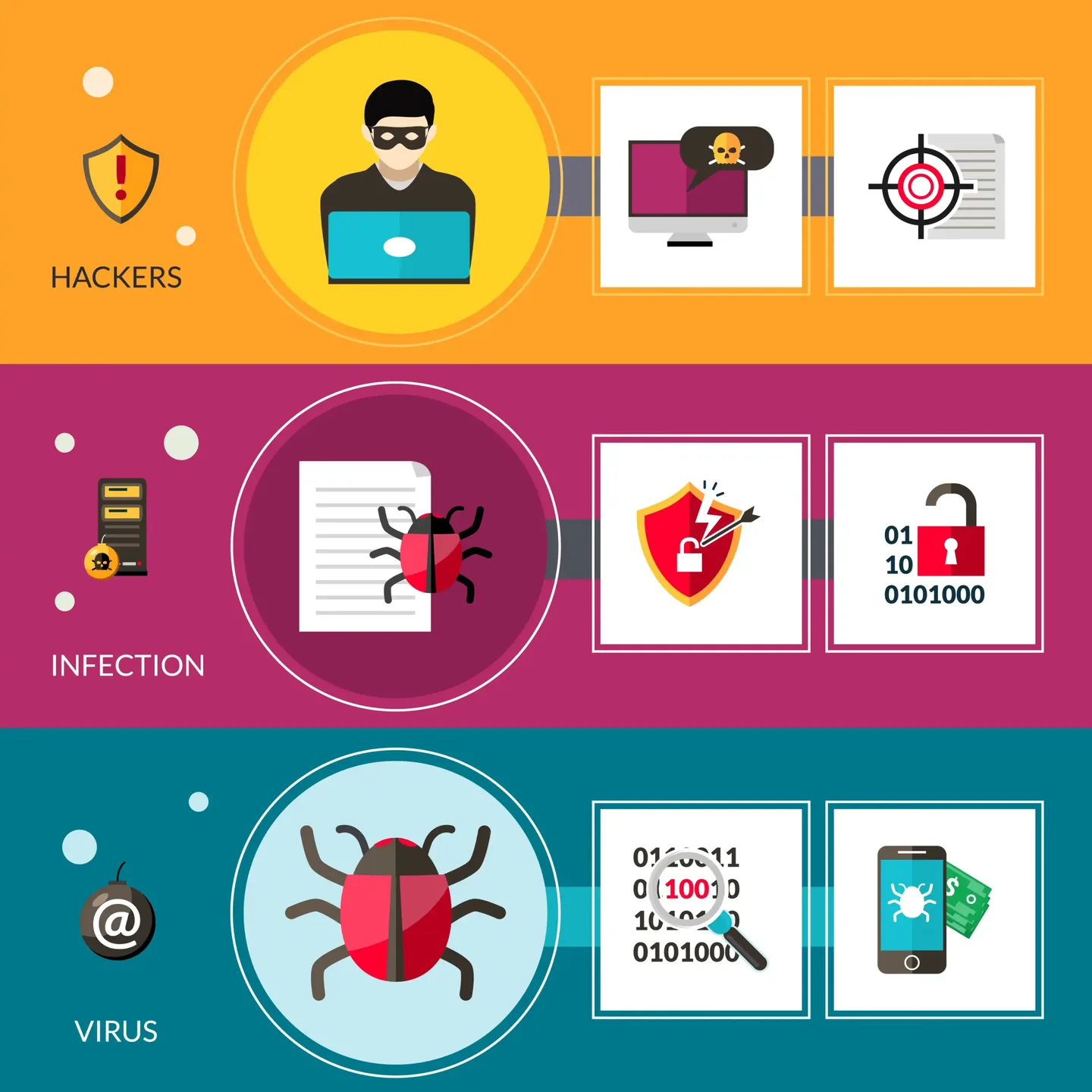
- Malicious or unwanted browser extension
- Fake notification permission
- Remote-access scam tool
- Phishing and stolen account password
- Bundled unwanted software
- Malware persistence in startup or scheduled tasks
Safe checks before repair
Protect important files first where the device remains stable. Stop after liquid, smoke, battery swelling, burning smells or signs of a failing drive.
- Disconnect from the internet if someone has remote access
- Do not call numbers shown in a warning pop-up
- Check installed remote-access tools
- Use a safe device to change exposed passwords
- Enable multi-factor authentication
- Record payments, calls and account alerts
Possible repair routes
The correct route depends on the confirmed cause, exact model, data requirements and whether a reliable repair remains economical.
- Malware and unwanted software removal
- Browser cleanup
- Windows repair
- Clean installation after backup
- Account-security and bank-response guidance
What changes the quote
A headline price cannot account for every model, part and level of damage. These are the main factors that need confirmation.
- Extent of system change
- Backup and clean installation
- Account recovery time
- Data condition
- Additional hardware or storage problem
Frequently asked questions
Is a browser pop-up always malware?
No. A deceptive website or notification can create it, but installing software or granting remote access increases the risk.
Can Windows Defender remove everything?
It is useful, but no scanner can guarantee every system is trustworthy after a serious compromise.
Should I change passwords on the infected PC?
Use a separate trusted device where possible.
What if I paid a scammer?
Contact the bank immediately through official channels and report the incident as advised by the provider.

