
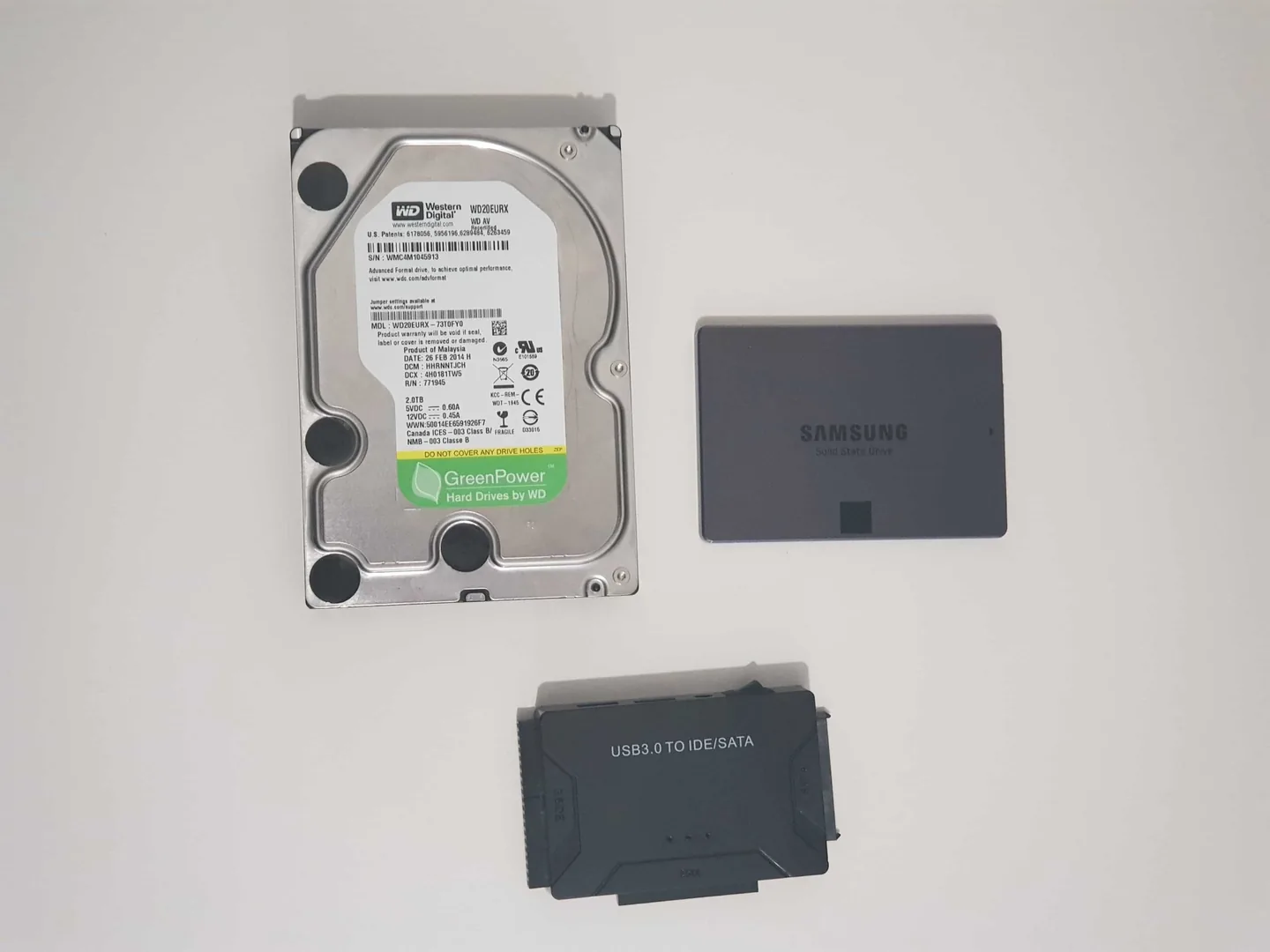
What can cause this problem
Several faults can create the same symptom. The list below is a starting point for diagnosis, not a reason to order parts without testing.
- Accidental deletion with a healthy drive
- File-system or partition corruption
- Bad sectors and unstable reading
- Failed controller or electronics
- Mechanical hard-drive damage
- SSD firmware, controller or NAND failure
Safe checks before repair
Protect important files first where the device remains stable. Stop after liquid, smoke, battery swelling, burning smells or signs of a failing drive.
- Write down what happened before failure
- Stop creating new files on the affected storage
- Do not initialise or format an unknown drive
- Identify the files and folders that matter most
- Record previous recovery attempts
- Keep encryption keys and account details available
Possible repair routes
The correct route depends on the confirmed cause, exact model, data requirements and whether a reliable repair remains economical.
- Logical recovery from a stable device
- Imaging a failing but readable drive
- Interface or enclosure repair
- Specialist firmware or physical recovery
- Repairing the computer after data is secured
What changes the quote
A headline price cannot account for every model, part and level of damage. These are the main factors that need confirmation.
- Failure type
- Specialist equipment and clean work
- Time required to stabilise or image the drive
- Replacement donor parts where relevant
- Amount and priority of useful data
Frequently asked questions
Why can specialist recovery cost more than the drive?
The value is in controlled labour, equipment and the chance of retrieving unique data, not in the replacement price of the storage device.
Does a free diagnosis include specialist recovery?
General diagnosis is free, but specialist data-recovery assessment or recovery may have separate charges agreed first.
Can I pay only if every file is recovered?
Recovery cannot promise every file. The success criteria and charges should be explained before work.
Does a larger drive always cost more?
Not necessarily. Failure type and damage are usually more important than capacity alone.


